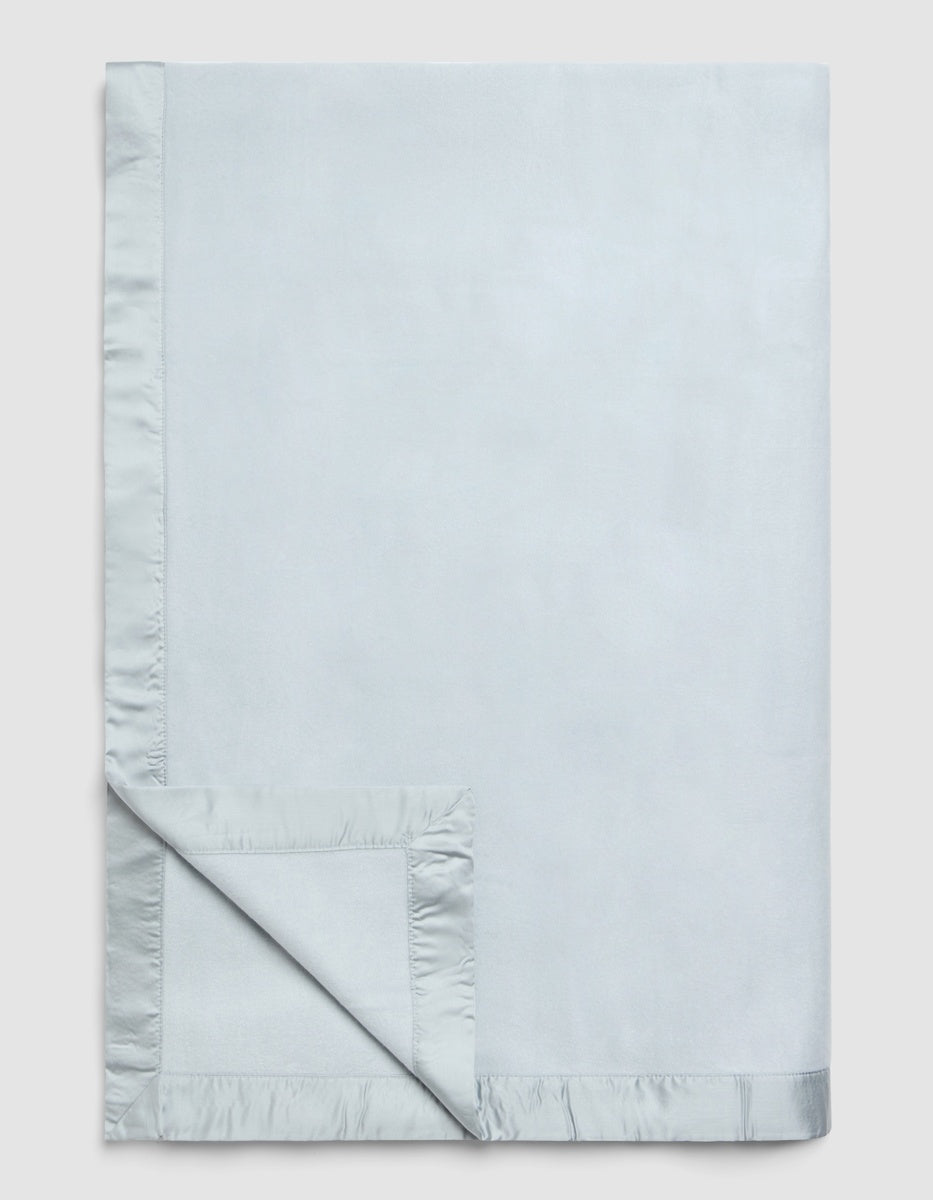
Hypoallergenic bedding is bedding made to be gentler on allergy-prone sleepers. Even so, dust mites can't be completely eliminated from a home, even a clean one, and what lowers your exposure is the routine around the bed: mite-proof covers, weekly washing, drier air and a pet-free bedroom.

What does hypoallergenic bedding actually mean?
Hypoallergenic bedding is bedding a brand describes as gentler on allergy-prone sleepers, and that description is the brand's own, so it helps to know what the word is up against. Allergies happen when, in the words of the National Institute of Environmental Health Sciences (NIEHS), "the body's immune system overreacts to certain foreign substances (allergens) that are normally harmless in most people." In a bedroom, the biggest source is usually dust mites, which NIEHS describes as "microscopic, insect-like pests that commonly live in house dust."
Mites don't go away because a fabric is gentle. NIEHS says plainly that "no matter how clean a home is, dust mites cannot be completely eliminated." So the useful question isn't only "is this bedding hypoallergenic?" It's "does this bed, and the way I care for it, keep my exposure down?" Below we separate what allergists recommend from what Cozy Earth's bamboo sheet sets and other pieces say about themselves.
What triggers allergy symptoms in bed?
Dust mites, pet dander and mold do most of the damage between the sheets, and each one hides in a different part of the bedroom.
- Dust mites. The American College of Allergy, Asthma and Immunology (ACAAI) calls them "the most common cause of allergy from house dust," and says mites feed on the flakes of skin that people and animals shed every day. NIEHS adds that they "can live in mattresses, bedding, upholstered furniture, carpets, and curtains."
- Pet dander. ACAAI notes that a pet's "dander (skin flakes), saliva and urine can cause an allergic reaction, especially when combined with household dust."
- Mold. ACAAI explains that "mold is a fungus that makes spores that float in the air," and that mold particles are a common part of household dust.
The symptoms look familiar: sneezing, a runny or stuffy nose, and red, itchy or teary eyes. ACAAI also says dust mite allergy "can also trigger asthma and cause eczema to flare." And because a home "does not need to be visibly dirty to trigger a dust mite allergy reaction," a bed that looks spotless can still be the problem.
Is dust-mite-proof bedding worth it?
Dust-mite-proof bedding starts with covers, the one product category both ACAAI and NIEHS name for the bed. ACAAI recommends zippered covers whose "material of these covers is designed with pores that are too small for dust mites to pass through," and NIEHS advises you to "encase your mattress and pillows in dust-proof or allergen impermeable covers."
Covers aren't a cure on their own. In a randomized trial of 279 people with allergic rhinitis, published in the New England Journal of Medicine, the researchers found that "mite-proof bedding covers, as part of a structured allergy-control program, reduced the level of exposure to mite allergens," but "this single avoidance measure did not lead to a significant improvement of clinical symptoms." Treat a cover as one layer of allergy-proof bedding, next to washing, humidity control and a clean bedroom. If you're weighing a pad against a protector, our mattress pad, topper and protector guide explains the difference.

What Cozy Earth says about its hypoallergenic sheets and bedding
Cozy Earth makes its bedding from bamboo viscose, a fabric that feels smooth and gentle against the skin, and several pieces are described as hypoallergenic on their product pages. These are Cozy Earth's own statements, and we're reporting what the listings say rather than promising a result for your allergies or your skin.
Start with the sheets, since they touch your skin all night. The Bamboo Sheet Set is made from 100% bamboo viscose with a breathable sateen weave, and its listing names hypoallergenic among the fabric's features alongside moisture-wicking and naturally temperature-regulating. It is also certified OEKO-TEX STANDARD 100, and the listing says it is safely produced without the use of harmful chemicals or synthetics. For sensitive sleepers, a soft, smooth, breathable fabric is a sensible place to begin.
Under the sheets, the Bamboo Mattress Pad is made with 100% bamboo viscose, and its listing calls it hypoallergenic, naturally temperature-regulating and breathable, adding that it suits hot sleepers, night sweats, humid climates and sensitive skin. It adds comfort and a layer of protection for your mattress, but it isn't a substitute for the zippered, mite-proof covers allergists recommend. For a barrier against allergens, look to Cozy Earth's mattress and pillow protectors, whose pages describe one.

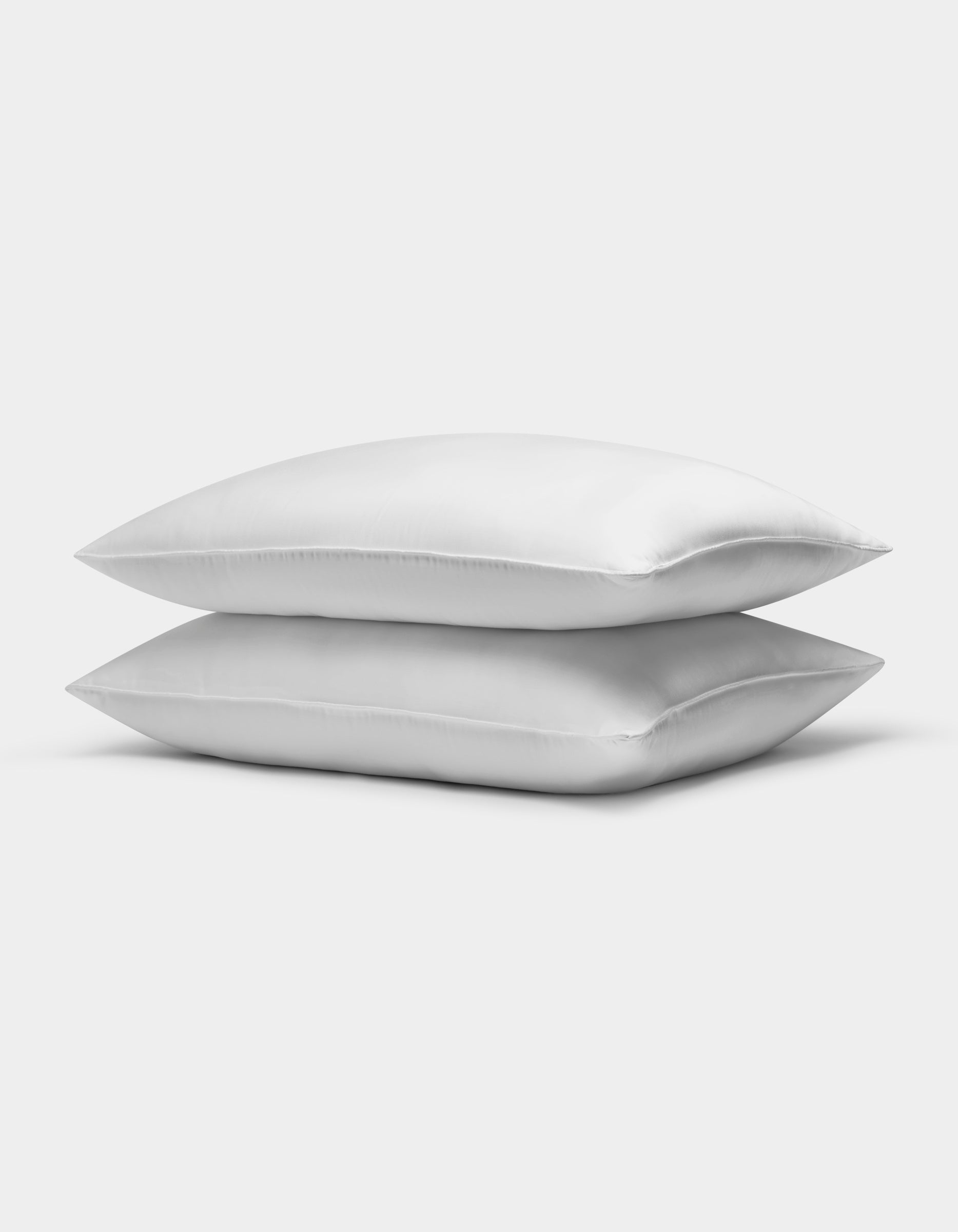
For your head and neck, the Bamboo Down Alternative Pillow has a recycled polyester and bamboo viscose fill, and its listing says it's hypoallergenic, free of animal down and certified OEKO-TEX STANDARD 100 against harmful substances. The smooth bamboo viscose shell wicks away moisture and stays cool.
Up top, the Bamboo Viscose Comforter is described on its page as light, cloud-like, and naturally temperature-regulating and hypoallergenic. It comes in a Light Weight and a Mid-Weight, so you can match it to your climate and how warm you sleep. As with any hypoallergenic blanket, check the fill as well as the cover, and wash it on schedule: NIEHS says to wash all bedding and blankets once a week.
Several of those listings also cite OEKO-TEX certification. OEKO-TEX describes its label as "a label for textiles tested for harmful substances." That speaks to harmful substances in the fabric, so read the certification and the word "hypoallergenic" as two separate claims. Bamboo bedding gives you a soft, breathable place to start, and the habits below do the rest.
How to make your bed more allergy-friendly
To make your sleep environment easier on allergies, wash bedding every week, keep humidity at or below 50 percent, keep pets out of the bedroom and cut down on dust. A few habits like these do more than any single fabric choice.
Wash your bedding every week
NIEHS recommends that you "wash all bedding and blankets once a week in hot water, 130 to 140 degrees Fahrenheit, to kill dust mites." It adds that "non-washable bedding can be frozen overnight."

Check each care label before you turn up the heat. Cozy Earth's bamboo sheet care says to "machine wash on cold with a gentle detergent, skip fabric softeners, and bleach," and our care guide for bamboo viscose sheets says to use cool water on a gentle cycle. Hot-water advice for mites and a cold-wash care label pull in different directions, so if you manage allergies, ask your allergist how to handle that gap.
Keep humidity below 50 percent
NIEHS says to "use a dehumidifier or air conditioner to maintain humidity levels at, or below, 50 percent," and ACAAI says a dehumidifier makes the home "a less suitable environment for dust mites." A small hygrometer shows you where the room stands.
ACAAI also suggests running a HEPA air cleaner in the bedroom of the person with allergies.
Keep pets out of the bedroom
ACAAI's advice is to "keep pets out of the allergic person's bedroom at all times."
Cut down on dust
NIEHS suggests replacing wall-to-wall carpeting with bare floors in bedrooms and using "a damp mop or rag to remove dust," adding that you should "never use a dry cloth, as it stirs up allergens."
When to see an allergist
If your symptoms follow you into bed, ACAAI's advice is: "see an allergist." An allergist can test what you are reacting to, which matters because the same sneezing and itching can come from dust mites, pets, mold or pollen. If you have sensitive skin, eczema or asthma that flares at night, bring that up too.
Hypoallergenic bedding FAQ
What do hypoallergenic sheets mean?
Hypoallergenic sheets are sheets a brand describes as gentler on people prone to allergies. The description comes from the brand, so look at what sits behind it, such as a test or certificate, and pair the sheets with the habits above.
What are the best hypoallergenic sheets?
The best hypoallergenic sheets for you are ones whose care label fits a weekly laundry routine. Check the label against NIEHS's weekly hot-water advice, and read what the brand says behind the word.
What is the best bedding for allergy sufferers?
No single fabric settles it. The advice from ACAAI and NIEHS centers on mite-proof covers on the mattress and pillows, weekly laundering, humidity at or below 50 percent and keeping pets out of the bedroom.
Does anti-allergy bedding actually work?
Anti-allergy bedding can lower your exposure to dust mites, though it rarely works alone. In the New England Journal of Medicine trial, mite-proof covers reduced mite allergen levels in mattresses, but the researchers found no significant improvement in clinical symptoms from that single measure.
How can I tell if my bedding has dust mites?
You can't tell by looking. ACAAI says dust mites "are too small to be seen without a microscope or magnifying glass," and that a home "does not need to be visibly dirty" for them to cause a reaction.
What's the best way to sleep if you have allergies?
Keep your sleep environment low in allergens: cover the mattress and pillows, wash bedding every week, hold humidity at or below 50 percent and keep pets out of the bedroom. If symptoms continue, an allergist can find out what is triggering them.
What is an anti-allergy duvet?
An anti-allergy duvet is a duvet or comforter that a brand sells with an allergy-focused claim, so check the fill and the wording as you would for any hypoallergenic blanket. NIEHS suggests replacing wool or feathered bedding with synthetic materials and washing blankets weekly.
Are Cozy Earth sheets hypoallergenic?
The Bamboo Sheet Set's product page lists hypoallergenic among the fabric's features. That is Cozy Earth's own claim, and the OEKO-TEX label it cites is about harmful substances in the fabric.
Build a bed that's easier on allergies
If you're ready to start with the sheets, the Bamboo Sheet Set is where Cozy Earth's hypoallergenic wording is spelled out. Cozy Earth's returns page lets you return or exchange bedding within 100 nights. The warranty covers pilling, abnormal rips and tears, and workmanship defects for 10 years. Last Chance and final-sale items aren't eligible for either.