Bamboo Sheets: A Complete Guide to Finding Your Set
|
|
Time to read 14 min
|
|
Time to read 14 min
Bamboo sheets are made from fibers created by processing bamboo plant material, usually into viscose, rayon, or lyocell. How they feel on your bed depends on the finished fiber, weave, construction, fit, and care requirements. This guide walks through those buying details instead of ranking products, because cooling, softness, and overall comfort can feel different from one sleeper and bedroom to the next.
Use these links to explore the main buying topics:
The bamboo plant and the fabric you sleep on are two separate parts of the process. Manufacturers turn bamboo into a fiber that can be spun into yarn and woven or knitted into fabric. Terms such as bamboo rayon, bamboo viscose, and bamboo lyocell describe the conversion method, so the specific fiber label tells you more than the word “bamboo” alone.
Cozy Earth’s 100% viscose from bamboo sheets start with bamboo pulp. That pulp becomes a soft, silky fiber before it is woven into fabric.
Bamboo is a broad bedding category, not one single type of textile. Material type, yarn, weave, finishing, seams, fit, and laundering all affect how a sheet set feels and holds up in everyday home life.
Viscose and lyocell are both manufactured fibers that can begin with bamboo-derived cellulose. Their labels point to different processing categories, though neither term can tell you everything about softness, durability, sourcing, or how the sheets will feel in your bedroom.
Rayon is the least expensive option, while viscose has a moderate production method, and lyocell is typically the priciest and highest-quality option; however, price alone still can’t tell you whether a particular set has the feel, fit, or care routine that works for you.
A “viscose from bamboo” label means the manufacturer converted bamboo-derived cellulose through a viscose process. You’ll often see this wording on smooth, drapey sheets, though the fiber term does not share every production or finishing detail.
Cozy Earth prefers naturally grown bamboo without harmful pesticides for its textiles. Its bamboo-making guide shares more about the company’s material sourcing and production approach.
Look at the finished set along with the fiber name. Check the weave, yarn construction, seams, fit, care, certifications, and purchase protections before bringing a set home.
A bamboo lyocell label means bamboo-derived cellulose went through a lyocell production method. This category often comes with a higher price, though a higher price does not guarantee that the sheets will suit every sleeper.
Before comparing a lyocell set with a viscose set, check the fabric’s surface, drape, weave, care label, and pocket depth. If easy laundry days or a certain texture matter most in your household, those details may matter more than the processing category.
Avoid treating lyocell as a universal sustainability or quality ranking. Review each brand’s sourcing disclosures, certifications, processing information, and finished construction on their own terms.
Start with the full fiber statement. “Viscose from bamboo” and “bamboo lyocell” tell you more than a front-of-package claim that says only “bamboo.”
Certifications add another helpful detail. GOTS and OEKO-TEX are identified as two main certifications to look for in Sleep Foundation’s bedding guidance. Each certification has its own scope, so its presence does not automatically verify every environmental, sourcing, durability, or comfort claim.
Sourcing and processing answer different questions, too. Cozy Earth works directly with suppliers from seed through finished sheets, covering farming, fiber production, yarn making, weaving, treatment, bags, and labels. Review the disclosures available from any brand instead of making broad assumptions from one label term.
| Material label | What it tells the shopper | Typical buying consideration | What else to check |
|---|---|---|---|
| Bamboo viscose | Bamboo-derived cellulose was converted using a viscose process | Often chosen for a smooth surface and fluid drape | Weave, construction, sourcing disclosure, certifications, care, and fit |
| Bamboo lyocell | Bamboo-derived cellulose was converted using a lyocell process | Often positioned at a higher price | Finished feel, weave, certifications, care, and return policy |
| Generic bamboo/rayon label | The fabric uses a rayon-type fiber associated with bamboo, though the wording may provide limited process detail | Clarify the exact fiber composition before comparing sets | Full sewn-in label, material percentages, construction details, and care instructions |
Bamboo sheets can feel cool and breathable, especially when their construction allows airflow and moves moisture away from the skin. Your experience also depends on your sleep style, room temperature, mattress protector, duvet, sleepwear, and every other layer on the bed.
Temperature regulation describes how bedding handles heat and moisture while you sleep. It does not mean the sheets lower the room temperature or feel exactly the same for everyone.
Breathability describes how easily air moves through a fabric. Moisture management describes how the material handles perspiration near the body. Together, they can help create a drier, less stuffy sleep surface on warm nights.
Cozy Earth’s 100% viscose from bamboo fabrics, like that used in the Bamboo Sheet Set, regulate temperature, wicks moisture and is naturally breathable with gentle temperature regulation.
Construction matters alongside those claims. Weave, feel, and thread count can affect the price and durability of bamboo sheets, and they can also shape whether the fabric feels substantial or fluid when you slide into bed.
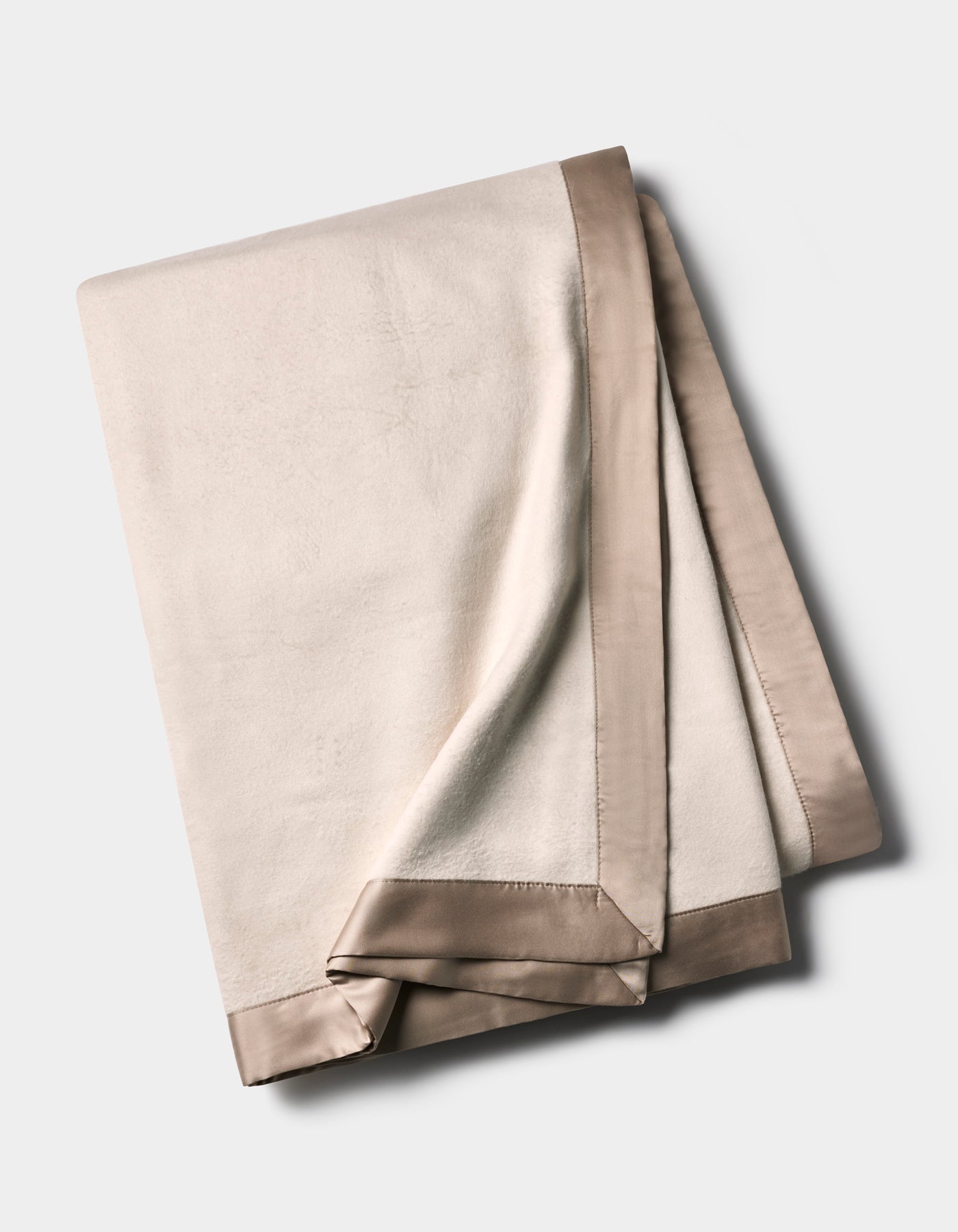
If you tend to sleep hot, look at the whole bed instead of the sheets alone. A breathable sheet can still sit under a heavy duvet or over a less breathable mattress protector, and those layers change the sleep environment. Cozy Earth’s Bamboo Duvet Cover, Bamboo Comforter, and Bamboo Mattress Pad can all contribute to an overall temperature-regulated sleep environment, since each of these products boast the same breathable, cooling qualities from their bamboo viscose fabrics.
Before buying, check the fiber label, weave, fitted-sheet depth, and care requirements. Read the return or trial policy, too, because using the sheets at home tells you things a product description can’t, including how they feel with your mattress and usual bedding layers.
Seasonal preferences matter as well. Some people enjoy a fluid sheet year-round, while others change their blankets, comforters, and sleepwear as the room changes through the year.
Softness is the first feel against your skin when you get into bed. Durability is about how well the fabric, seams, and fit hold up through regular use and laundry days. A sheet can feel smooth right out of the package, but that first touch alone cannot predict long-term performance.
Check the fiber type, yarn and weave details, seam construction, care requirements, and any fabric-performance information the brand shares. These details matter for bamboo sheets and every other bedding material.
Processed bamboo fibers can produce yarns with a smooth surface and soft, buttery drape. Weave and finishing shape that feeling, so two sets with similar fiber labels can still feel noticeably different.
The feel may also change after laundering. Cozy Earth’s bamboo sheets become softer wash after wash, making the care routine part of the long-term buying decision.
Think about how you want your bed to look and feel when it’s made. A fluid, silky fabric settles over the mattress differently from a crisp or textured sheet, even if both options feel soft.
Long, continuous fibers may help reduce weak points within a yarn. Cozy Earth’s Bedding Fabric Guide describes its bamboo viscose bedding as using long, continuous fibers that resist pilling and tearing.
Take a close look at the details a manufacturer shares. Cozy Earth identifies a fine weave and reinforced seams as durability features in its sheet collection. Reinforced construction can be especially useful around fitted-sheet corners and other spots that get pulled and stretched week after week.
Care is part of durability, too. Washing sheets outside their stated instructions can change the surface, dimensions, or finish, so make sure the routine fits the way you normally do laundry.
Thread count is one detail to consider, not a standalone quality score. Fiber type, yarn quality, weave, finishing, seam construction, feel, durability needs, and care all help you make a useful comparison.
A clear material label and straightforward construction details usually tell you more than a large number without context.
Thread count generally describes how many threads are woven within a defined area of fabric. It can offer useful context, though it cannot independently confirm softness, airflow, fiber quality, seam strength, or long-term performance.
Sleep Foundation lists a 200 to 300 thread-count range for bamboo-derived rayon. Use that range as a reference, not a universal pass-or-fail rule. Manufacturing methods and weave structures vary from one product to another.
Compare thread count after confirming the fiber label. Then look at the weave, disclosed construction, care requirements, fit, and the way the manufacturer describes the finished feel.
Sateen uses a weave structure with longer surface floats, which typically creates a smooth face, noticeable drape, and subtle sheen. It can suit shoppers who like bedding that settles fluidly over the mattress.
Twill has a diagonal pattern in its construction. It can create more visible texture and a different hand feel from sateen. The weave name alone does not promise a certain cooling level or lifespan.
Use weave to narrow down the feel and appearance you prefer. Samples, close product photographs, material disclosures, and return terms can help when you can’t touch the sheets before buying.
| Specification | What it can influence | What it cannot confirm on its own | Buyer takeaway |
|---|---|---|---|
| Thread count | Fabric density, feel, price, and durability | Overall quality, softness, cooling, or fiber quality | Compare it with fiber, weave, construction, and care |
| Sateen weave | Smoothness, drape, and surface sheen | Guaranteed cooling or durability | Choose it if you prefer a fluid, smooth surface |
| Twill weave | Texture, visual pattern, and hand feel | Guaranteed lifespan or temperature performance | Consider it when you prefer more visible texture |
| Fiber label | The type of manufactured fiber used | Weave quality, seam strength, sourcing, or fit | Look for a specific term such as viscose or lyocell |
| Care instructions | The washing and drying routine required | How the sheets will feel on your bed | Confirm that the routine fits your household habits |
Always follow the sewn-in care label for your specific sheet set. Fiber blends, dyes, finishes, and construction can lead to different instructions, even among products sold under the same broad material category.
A consistent routine that matches the label helps preserve the intended fit, surface feel, and finish.
General bamboo-sheet care guidance recommends machine washing in cool water on a gentle or delicate cycle with mild detergent. Wash sheets with compatible fabrics and avoid products that conflict with the manufacturer’s directions.
Drying instructions vary, so check the label before picking a setting. High heat is not a good default when a brand specifies a lower setting.
Cozy Earth directs owners of its sheets to machine wash cold and tumble dry low. The company also advises against harsh chemicals such as bleach.
Follow the stated cycle and temperature instead of relying on the routine you use for other household fabrics. Proper care supports the set’s intended dimensions, drape, and surface finish without assuming a precise shrinkage outcome.
Treat stains with methods approved for the fabric. Harsh treatments may affect the color or fibers, and a product made for general laundry may still conflict with the sheet label.
Avoid these common care mistakes:
A helpful buying decision starts with your mattress, then moves to fabric preferences and household needs. Confirm mattress size and depth, sleep temperature, preferred feel, fiber label, weave, care commitment, included pieces, budget, and purchase protections.
Choose the size that matches your mattress, then measure its full depth. Include any mattress topper or padded layer that sits beneath the fitted sheet.
Compare that measurement with the fitted-sheet pocket specification. A pocket that’s too shallow may pop away from the corners, while extra depth can affect how neatly the sheet sits on the bed.
Cozy Earth lists twin, full, queen, king, California king, and crib options. Its sheet collection says deep-pocket fitted sheets fit mattresses up to 20 inches.
Start with temperature. Hot sleepers can prioritize breathable, moisture-managing construction while also considering the mattress protector, blankets, duvet, and room conditions.
Next, choose a surface feel. Sateen may suit someone who likes smoothness and drape. If you prefer a more relaxed, stretchy surface, you may want to consider a knit construction. If texture appeals to you, look at other weave options.
Read the complete fiber label and care instructions before deciding. Even a soft sheet set can feel impractical if its laundry needs don’t work with your household routine.
Confirm every included piece before checkout. Cozy Earth’s standard sets contain one flat sheet, one fitted sheet, and two pillowcases. Split King sets contain one flat sheet, two Twin XL fitted sheets, and two King-size pillowcases.
Treat price as one factor alongside material disclosure, construction, fit, care, and purchase protections. Cozy Earth lists its Bamboo Sheet Set at $258. Check the current product page because pricing and promotions can change.
Read the applicable return or trial terms, including any conditions for use, laundering, packaging, or timing. A coordinated set or bundle can also make a thoughtful gift for a new home, wedding, or bedroom refresh when the size and style suit the recipient.
| Buying factor | What to check | Why it matters | Cozy Earth detail to verify |
|---|---|---|---|
| Size | Mattress dimensions and product size | Prevents ordering a set that does not match the bed | Twin, full, queen, king, California king, and crib options |
| Mattress depth | Mattress, topper, and pad depth compared with pocket capacity | Supports a secure fitted-sheet fit | Deep pockets fit mattresses up to 20 inches |
| Sleep temperature | Breathability, moisture management, room conditions, and bedding layers | These factors shape perceived cooling | Temperature-regulating and moisture-wicking product descriptions |
| Fiber and weave | Full fiber label, weave, texture, and drape | Clarifies how the set is made and may feel | Premium viscose from bamboo for classic Bamboo Sheets |
| Set contents | Number and sizes of sheets and pillowcases | Prevents assumptions about included pieces | Standard and Split King configurations differ |
| Care | Washing, drying, and chemical restrictions | Helps preserve the intended fit and finish | Machine wash cold, tumble dry low, and avoid bleach |
| Budget | Current price, promotions, and total purchase needs | Keeps material and construction choices within budget | Listed at $258, or as low as $219.30 with up to 15% off |
| Return or trial policy | Current eligibility, timing, use conditions, and exclusions | Provides a way to assess fit and feel at home | — |
You can assess Cozy Earth’s sheet options using the same material, construction, fit, care, and budget criteria you’d use for any set. The right match depends on your mattress and the sleep surface you prefer.
The company sells classic bamboo, bamboo jersey, and 100% cotton sheet fabrics. Each construction has a different feel, so it helps to consider them as separate options.
Cozy Earth’s classic Bamboo Sheets use premium viscose from bamboo. The company describes them as breathable and moisture-wicking, with a smooth, soft feel and gentle temperature regulation.
Bamboo Jersey Sheets are the brand’s softer, lived-in-stretch alternative. Their knit-like character feels different from the classic bamboo fabric, so the two products should not be treated as identical.
The Soft-Wash Cotton Sheet Set is made of 100% premium cotton. This option gives households another material choice when cotton construction feels like the better fit. Consider each fabric’s label, surface, care instructions, and how it works with the rest of your bed.
Cozy Earth’s deep-pocket fitted sheets accommodate mattresses up to 20 inches, including the added depth from many toppers. Measure the complete sleep surface before selecting a size.
The standard Bamboo Sheet Set includes a flat sheet, fitted sheet, and two pillowcases. Split King changes the configuration to two Twin XL fitted sheets and King-size pillowcases.
The care routine calls for machine washing in cold water and tumble drying on low. Confirm the current color, size, set contents, and product-specific care details before ordering.
| Buying criterion | Cozy Earth specification | Who should prioritize it | What to confirm before purchase |
|---|---|---|---|
| Material disclosure | Premium viscose from bamboo in the classic Bamboo Sheets | Shoppers who want a clearly stated bamboo-derived fiber | Current fiber label and selected fabric |
| Cooling-oriented features | Described as breathable, moisture-wicking, and temperature-regulating | Hot sleepers and people who dislike a stuffy sleep surface | Compatibility with existing bedding layers |
| Mattress depth | Deep-pocket fit for mattresses up to 20 inches | Owners of deep mattresses or added toppers | Total measured mattress depth |
| Standard set contents | One flat sheet, one fitted sheet, and two pillowcases | Buyers replacing the main sheets on one bed | Size-specific and Split King inclusions |
| Care | Machine wash cold, tumble dry low, and avoid harsh chemicals such as bleach | Households that prefer machine-washable bedding | Instructions on the sewn-in label |
| Standalone sheet-set price | $258 | Buyers who need sheets without additional bedding layers | Current price and promotion terms |
| Bedding bundle type | Basic, Essential, Core, Deluxe, and Ultimate configurations | Buyers furnishing a bed or selecting a substantial home gift | Exact pieces, sizes, colors, and availability |
Choose a standalone sheet set if sheets are all you need. A bundle can make more sense when you want coordinated layers for your own bed or a substantial gift for a wedding, new home, or bedroom update.
The Core Bedding Bundle includes one flat sheet, one fitted sheet, or two Twin XL fitted sheets for Split King, two pillowcases, two extra pillowcases, and one duvet cover. It works well for a bed that already has a compatible duvet insert or comforter.
The Deluxe Bundle contains one flat sheet, one fitted sheet, or two Twin XL fitted sheets for Split King, two pillowcases, one duvet cover, and one comforter. This configuration adds the main insulating layer instead of extra pillowcases.
The Bamboo Bedding Basic Bundle includes a fitted sheet and two pillowcases, with pricing starting at $158.
The Bamboo Bedding Essential Bundle includes a duvet cover, fitted sheet, and pillowcases, with pricing starting at $438.
Cozy Earth describes the Ultimate Bundle as its most complete tier. It includes sheets, a comforter, and two pillows to dress the bed on the first night.
If you’d rather coordinate individual layers, explore Cozy Earth’s bamboo bedding collection. Confirm each bundle’s exact contents, fabric, color, size, care instructions, and current purchase policy before checkout.
Choose the set that fits your sleep preferences, bedroom setup, and care expectations.


